Improving Learning Quality, UNAIR Statistics Equips SMA Negeri 1 Besuki Teachers with Digital Technology
- October 21, 2026, 1:40 PM
- Writer:-
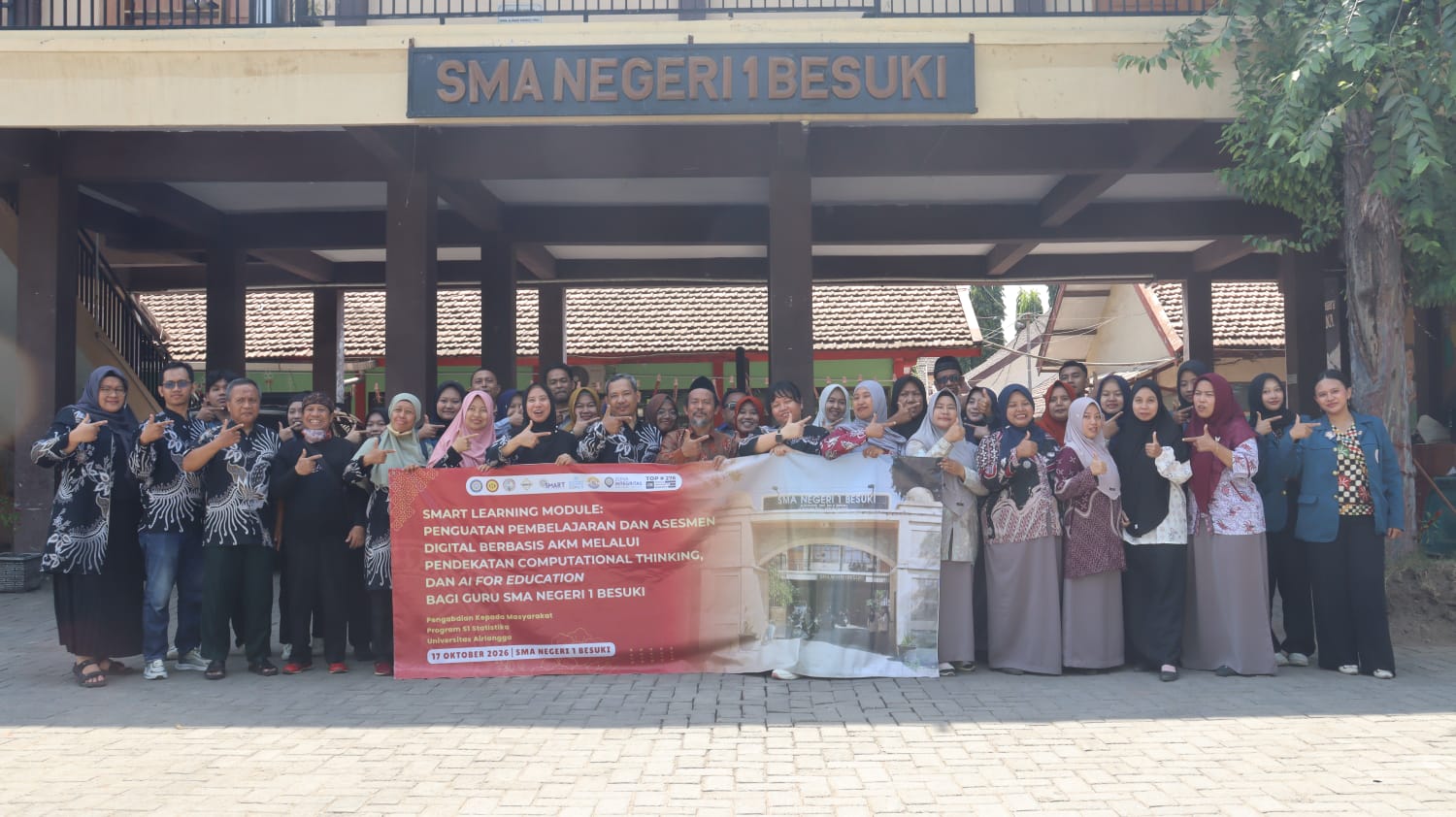
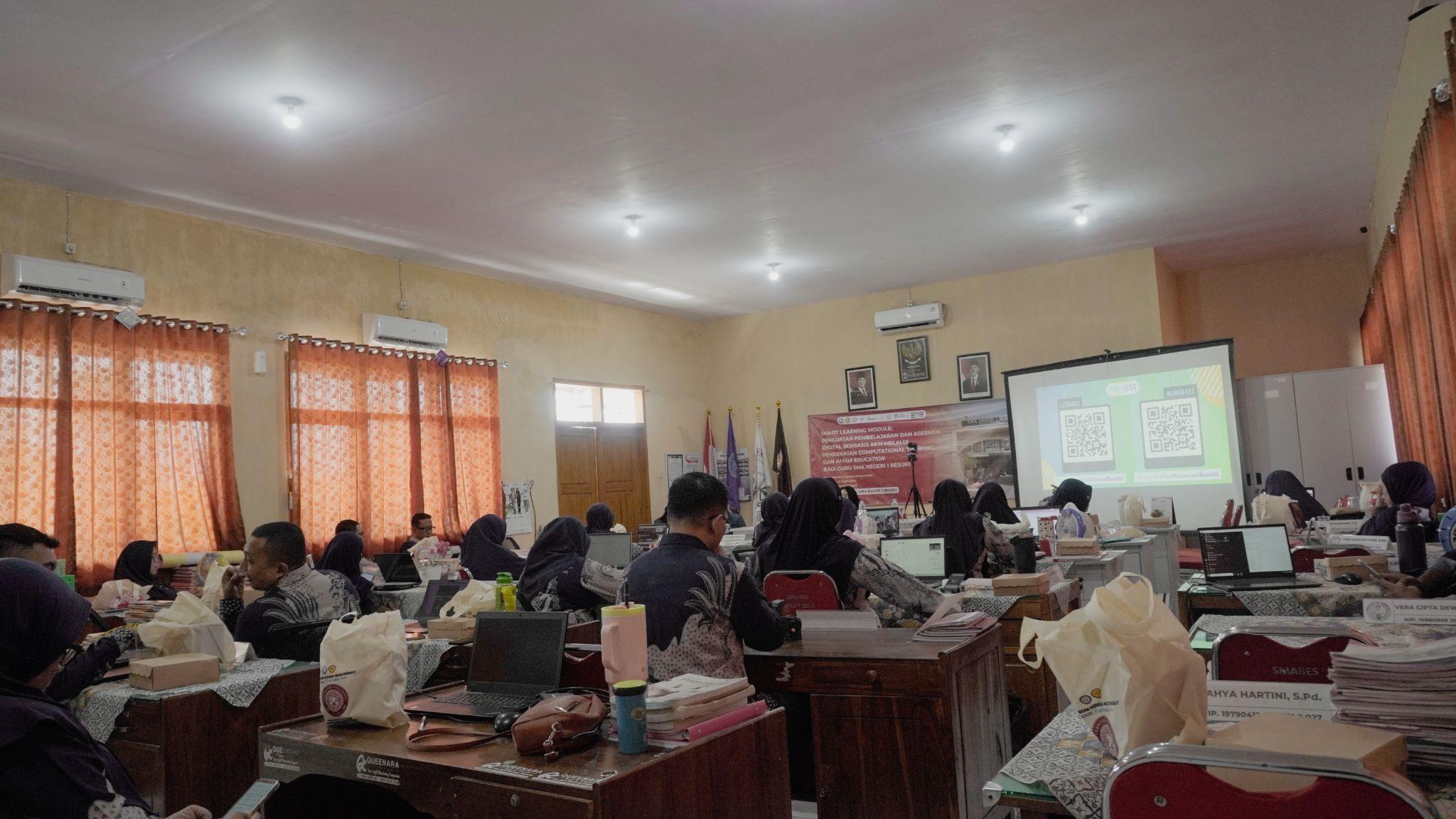
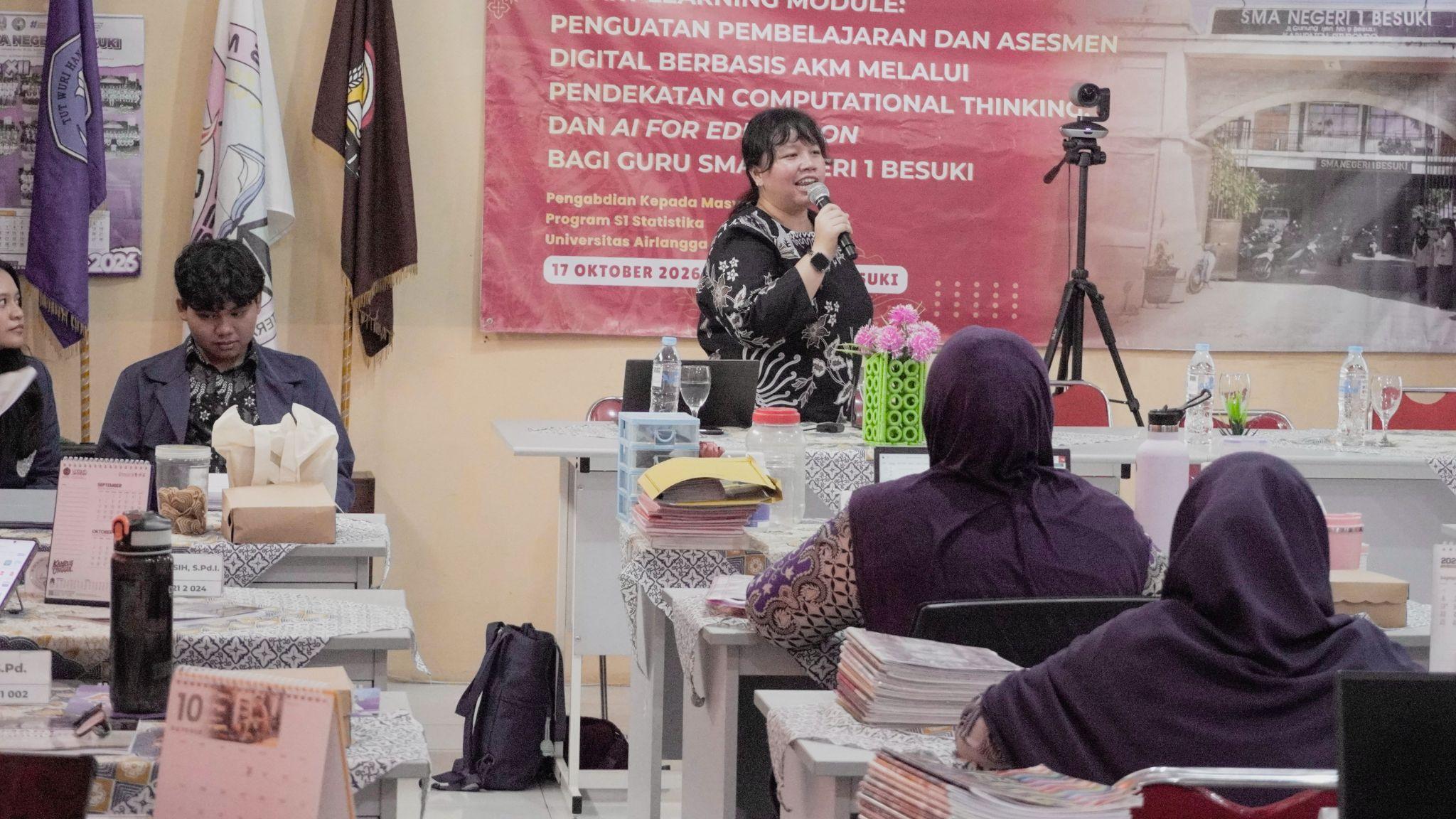
Situbondo, 17 October 2026 – How can teachers create questions that train students’ reasoning? And how can computer-based exams be kept honest? These questions were among the main focuses of an activity held by the Bachelor’s Program in Statistics, Universitas Airlangga (UNAIR) Surabaya, at SMA Negeri 1 Besuki, Situbondo, on Saturday, 17 October 2026.
Themed “SMART LEARNING MODULE: Strengthening AKM-Based Digital Learning and Assessment through Computational Thinking and AI for Education Approaches for SMA Negeri 1 Besuki Teachers,” the activity was part of the 2026 Community Service Program under the Community Partnership Program for Assisted Villages (Desa Binaan) scheme. It was funded by the Institute for Sustainable Community Service (Lembaga Pengabdian Masyarakat Berkelanjutan) and is aligned with UNAIR’s AIRLEARN (Airlangga Inclusive and Resilient Lifelong Education, Access, Resources, and Network) program to expand access to education and lifelong learning.
Based on Decree of the Minister of Primary and Secondary Education Number 56 of 2026, the government has combined the National Assessment with the Academic Ability Test (Tes Kemampuan Akademik, TKA). Reading literacy questions are related to the Indonesian Language subject, while numeracy questions are related to Mathematics.
The test results serve two purposes: showing each student’s individual ability through the TKA Results Certificate, which is used as a requirement for SNBP (the national achievement-based university admission track) and several other admission pathways, and forming part of the Education Report Card (Rapor Pendidikan) to assess school quality. Teachers therefore need to design questions that do not merely test memorization, but also train students’ critical thinking and problem-solving skills.
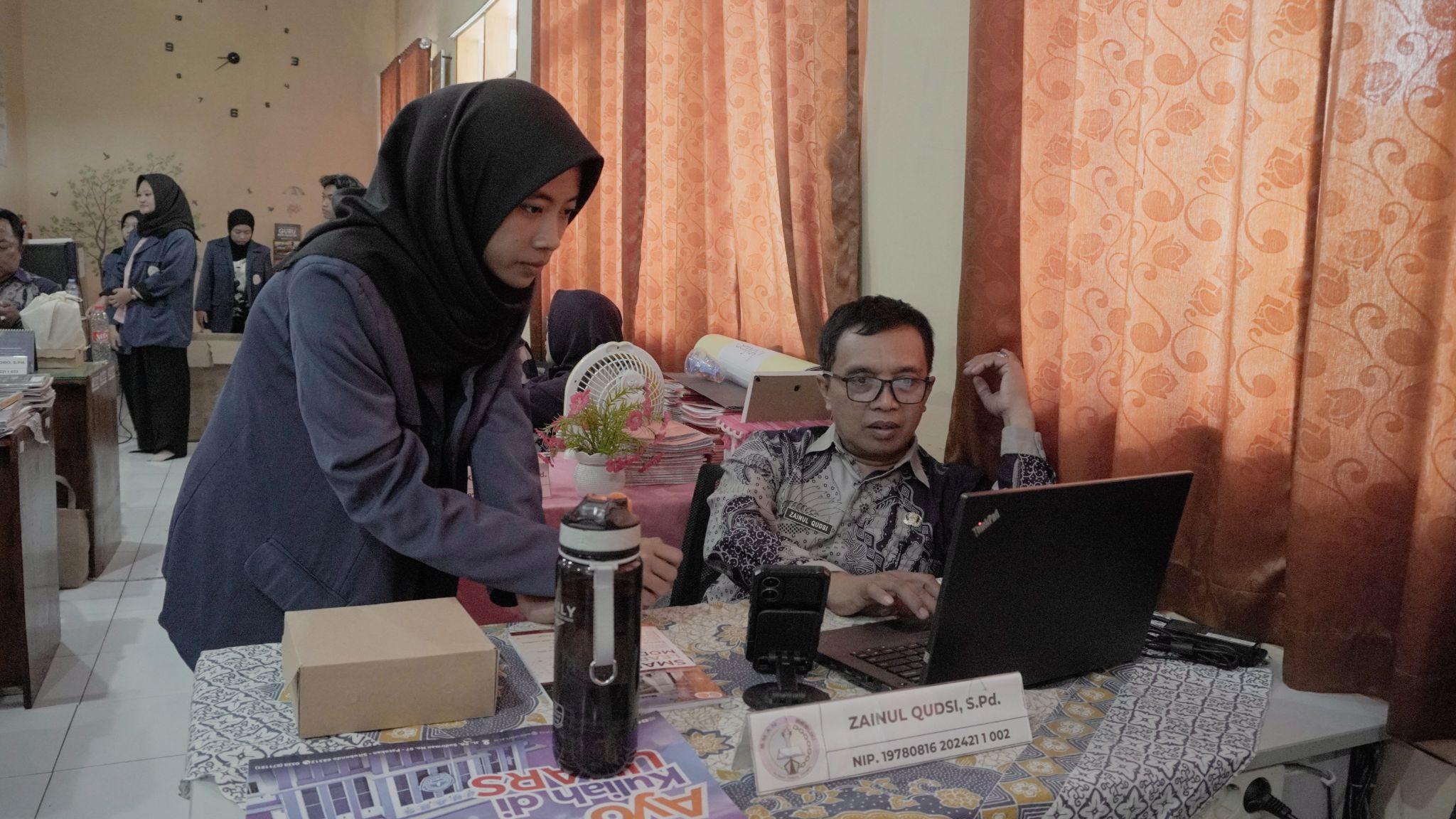
Dr. Rahmawati, S.T., M.Ed., opened the material sessions by explaining the Minimum Competency Assessment (Asesmen Kompetensi Minimum, AKM) and its relation to the TKA. She explained that reading literacy and numeracy require understanding and reasoning, not just memorization. Next, Nania Nuzulita, S.Kom., M.Kom., introduced Safe Exam Browser (SEB), an application that restricts access to other websites and applications during computer-based exams. Teachers practiced configuring the SEB Config Tool and learned how to resolve technical issues so that digital exams run smoothly.
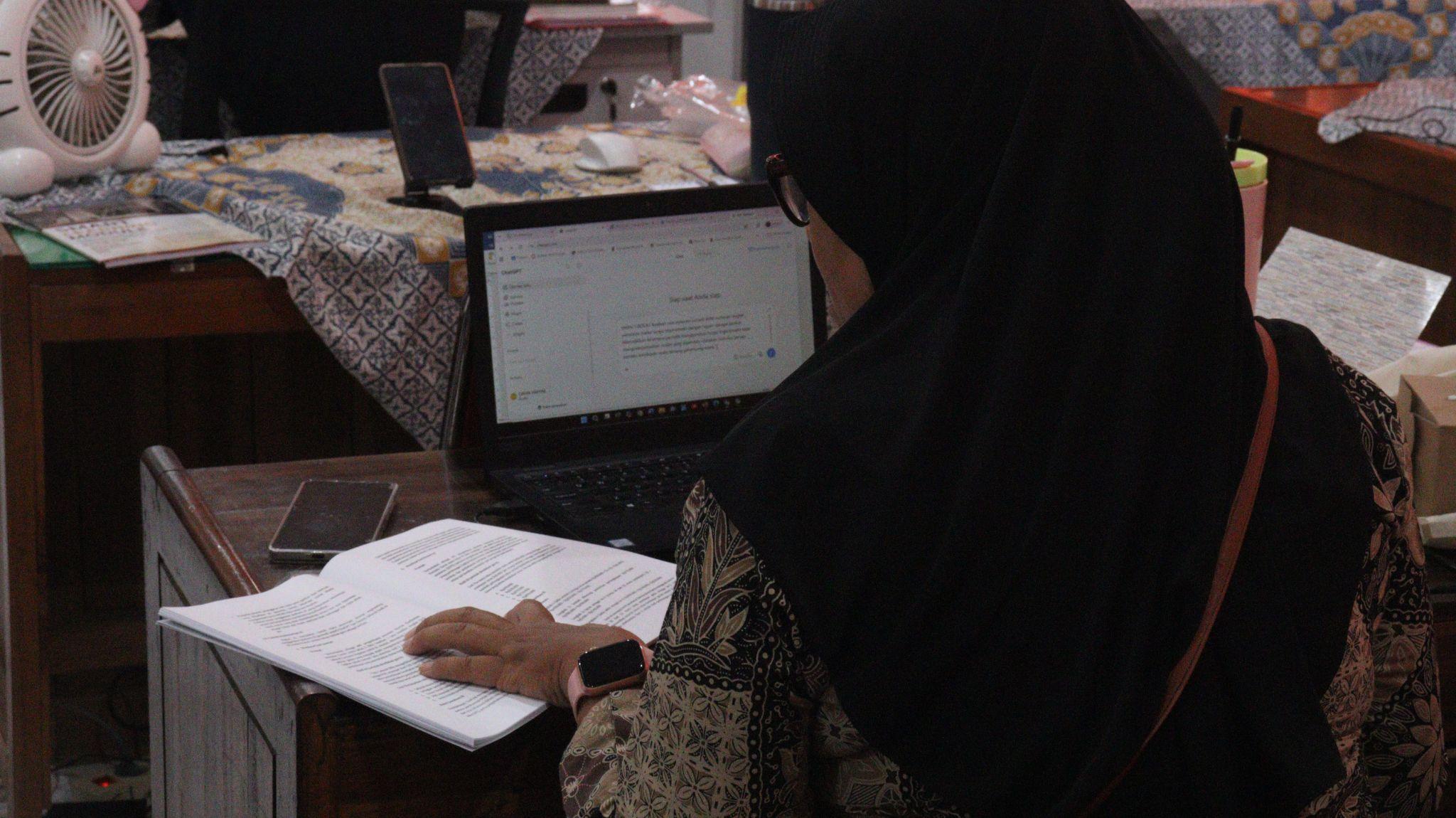
The session continued with Dita Amelia, S.Si., M.Si., who presented Computational Thinking (CT), a structured way of thinking to solve problems through four pillars: decomposition, pattern recognition, abstraction, and algorithms. In the AI for Education session, Dita Amelia, S.Si., M.Si., explained how to use artificial intelligence (AI) to help prepare teaching materials, create questions, develop assessment rubrics, and build learning media. Although AI can support teachers’ work, it must still be used wisely. Teachers need to verify the accuracy of its output, protect students’ personal data, and respect copyright.
The teachers participated enthusiastically and engaged actively in discussions on applying technology in everyday teaching. All the materials were compiled into a Smart Learning Module that can be reused as a guide, including literacy and numeracy practice questions. As part of the event, the UNAIR Bachelor’s Program in Statistics and SMA Negeri 1 Besuki also signed an Implementation Agreement (IA) to strengthen cooperation between the two parties. The signing serves as the basis for collaboration in improving the quality of learning and digital assessment at SMA Negeri 1 Besuki.
The event closed with a joint video recording and the chanting of slogans from UNAIR, the Statistics Study Program, SMA Negeri 1 Besuki, and Situbondo. This community service activity supports SDG 4 (Quality Education) by improving teachers’ skills and SDG 17 (Partnerships for the Goals) through cooperation between UNAIR and SMA Negeri 1 Besuki. Through this activity, teachers are expected to apply Computational Thinking in designing questions, use AI safely and responsibly, and manage digital exams independently. The activity is also expected to inspire other schools in the Situbondo area.